

Heritage governance, clarified.
I work at the intersection of heritage law, Indigenous rights, and professional practice — helping leaders, practitioners, and institutions navigate complex regulatory environments with clarity, integrity, and confidence.
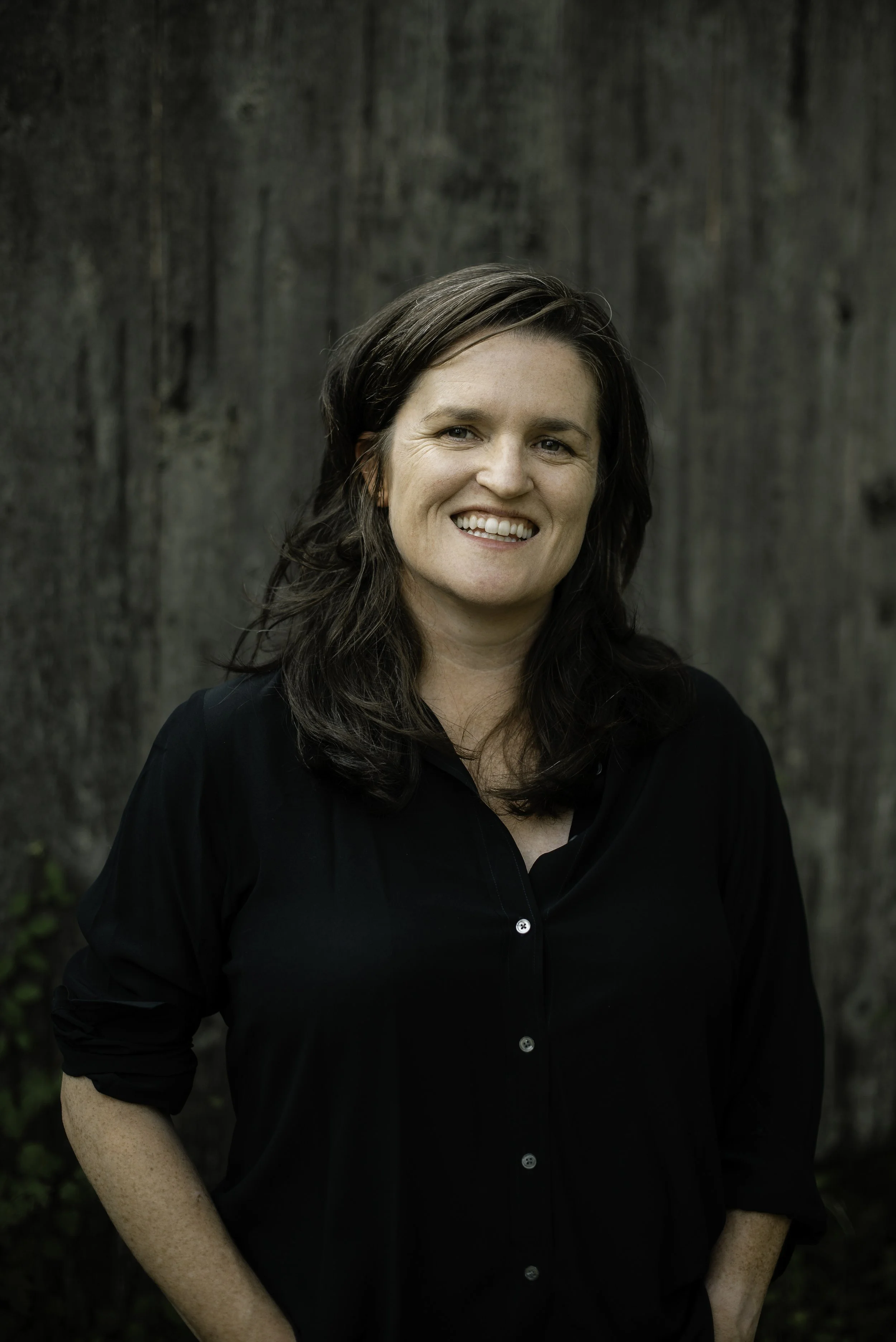
I am an archaeologist and heritage policy professional with experience across consulting, government, and academia. My work focuses on the practical application of heritage legislation and Indigenous rights frameworks within real-world governance contexts.
I specialize in translating complex regulatory and rights-based frameworks into accessible, actionable guidance for professionals operating in land-based and resource sectors. My approach is grounded in ethical practice, trauma-informed education, and a recognition that heritage governance is inseparable from relationships.
I serve as Principal, Archaeology and Heritage Resources at Two Worlds Consulting, where I work within complex regulatory and Indigenous governance environments across British Columbia. In this role, I support projects that require careful navigation of heritage legislation, jurisdictional authorities, and engagement processes shaped by Indigenous rights and provincial law.
Through Botica Cultural Heritage, I focus on strengthening governance literacy within the profession. My courses and advisory work are designed to build working fluency in the Heritage Conservation Act and related rights-based frameworks — helping practitioners move beyond compliance toward informed, responsible stewardship.
Featured courses
Accessible, applied training for professionals in heritage, policy, and land management — flexible courses, certificates, and workshops.

Heritage Conservation Act for Land-Based Professionals
Gain a clear and practical understanding of British Columbia’s Heritage Conservation Act (HCA) and how it applies across land and resource management sectors. This 1.5-hour micro-course provides the essentials of compliance, permitting, penalties, and best practices, while integrating ethical and Indigenous-centered stewardship approaches. Participants will also learn how heritage values intersect with planning, development, and decision-making, and examine proposed HCA reforms likely to shape future practice.
Format: Micro-course (1.5 hours)
Approx. PD hours: 1.5 (self-reported)
Price: $150
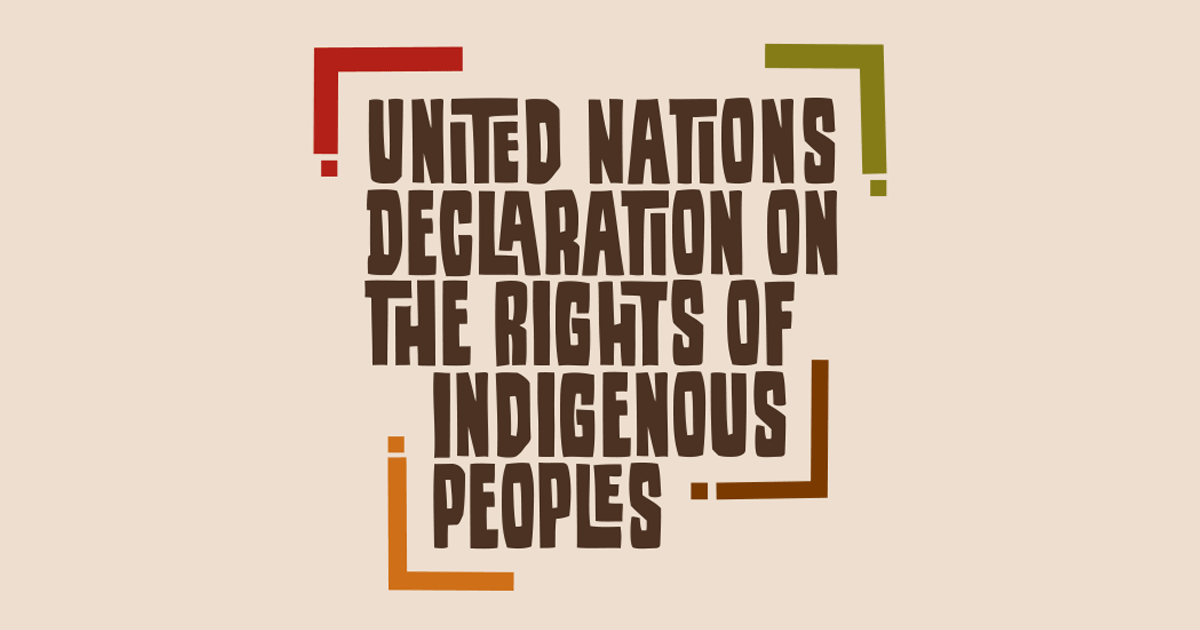
UNDRIP in Practice: Applied Lessons for Land, Resource, and Heritage Work
This applied micro-course explores how the United Nations Declaration on the Rights of Indigenous Peoples (UNDRIP) and BC’s Declaration on the Rights of Indigenous Peoples Act (DRIPA) shape land, resource, and heritage work.
Designed for resource professionals, archaeologists, heritage practitioners, planners, developers, and realtors, it emphasizes practical strategies, reflection, and case studies to support reconciliation and Indigenous authority. Developed from a settler professional perspective, the course invites learners to take concrete steps toward ethical and respectful practice.
Format: Micro-course (1.5 hours)
Approx. PD hours: 1.5 (self-reported)
Price: $150
Credits
Aerial of Douglas fir forest: Extemporalist, CC0, via Wikimedia Commons
Unless otherwise noted, all uncredited images on this page are my own.